How to Prune Hydrangeas and Perennials: A Complete Guide to a Beautiful Garden
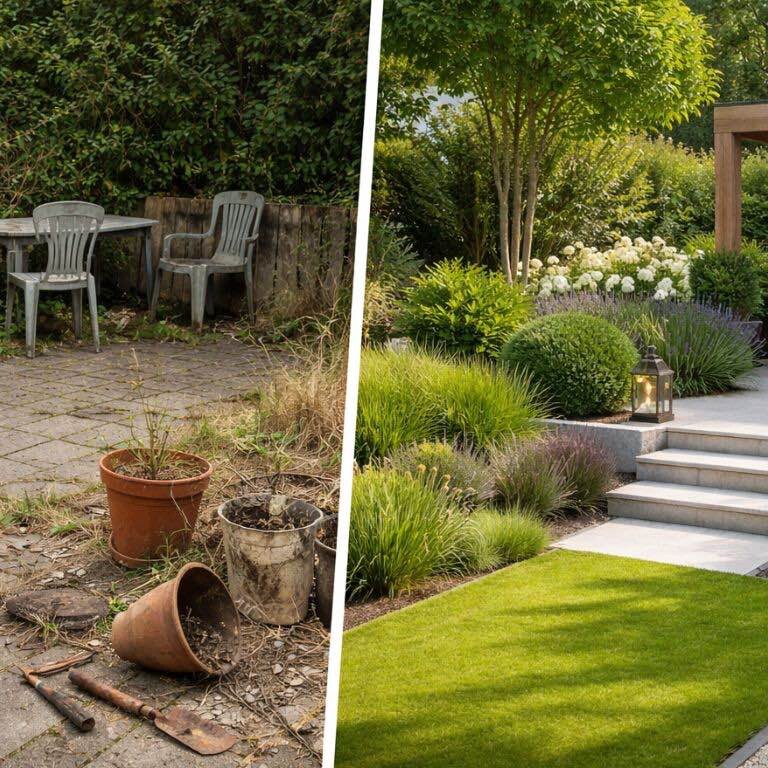
Proper pruning is one of the most important steps in garden care. It helps plants maintain a healthy shape, promotes flowering, and extends the life of your flower beds. If you know when and how to prune hydrangeas and perennials, your garden will reward you with abundant blooms and lush growth.
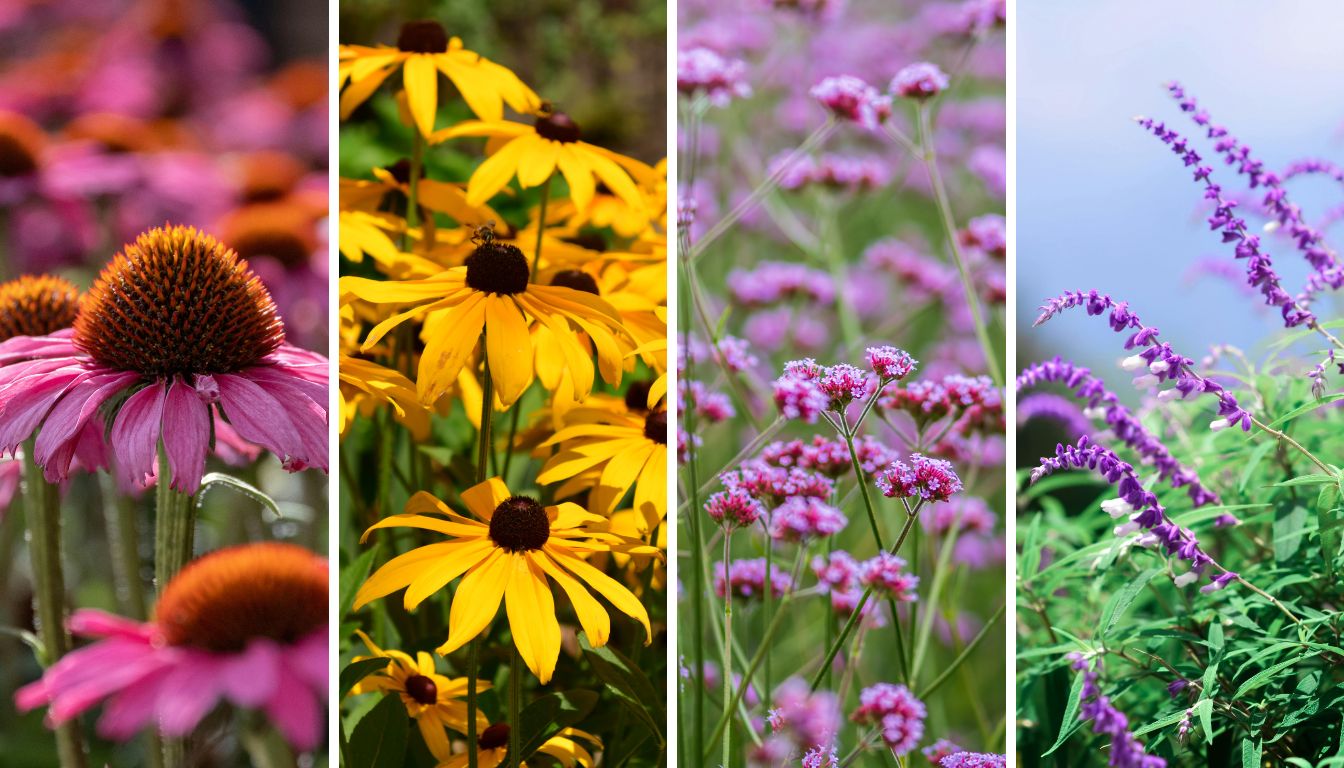
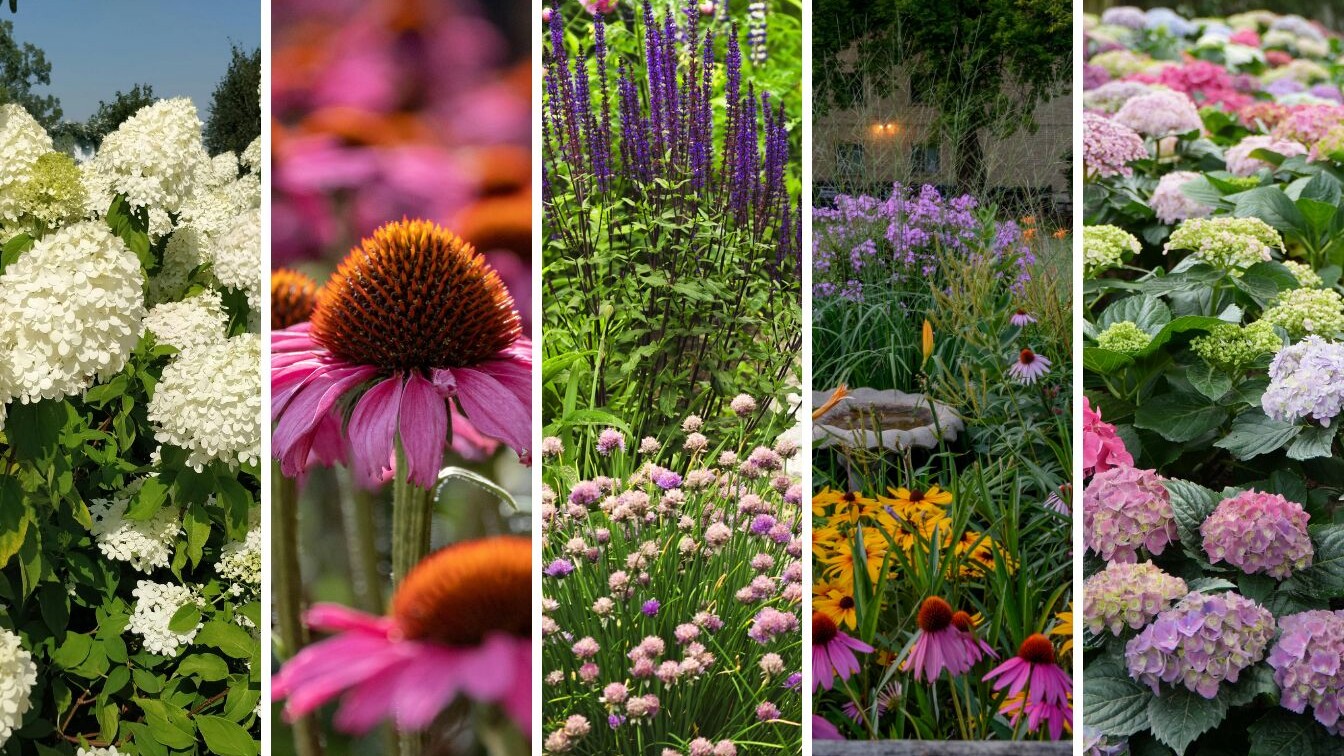
How to prune hydrangeas and perennials? In this article, we’ll look at practical tips for pruning hydrangeas and popular perennials such as echinacea, rudbeckia, catmint, verbena, and sage.
How to Prune Hydrangeas for Abundant Blooms
Hydrangeas are among the most popular ornamental shrubs. However, the proper way to prune them depends on the variety, as some bloom on old wood and others on new growth. Incorrect pruning can prevent the plant from blooming at all that year.
When to prune hydrangeas
Hydrangeas are most commonly pruned in late winter or early spring (February–March), before new growth begins.
This timing is particularly suitable for most hydrangea varieties grown in gardens.
Pruning Hydrangea macrophylla
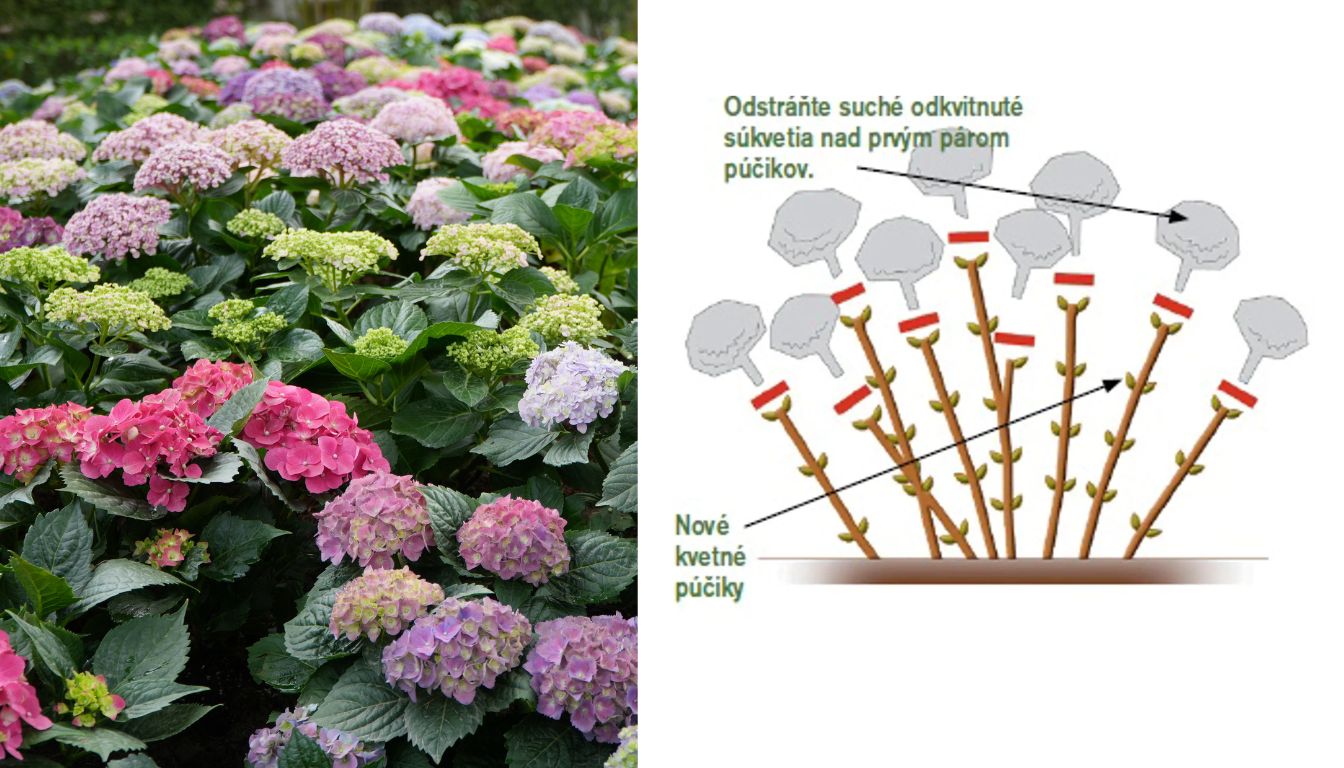
This type of hydrangea blooms on last year’s wood, so it only needs a light pruning.
Procedure:
- in the spring, remove dry flower heads above the first pair of buds
- remove damaged or weak shoots
- you can cut old branches back to the ground to encourage new growth
- If you prune this variety too deeply, the plant may not bloom that year.
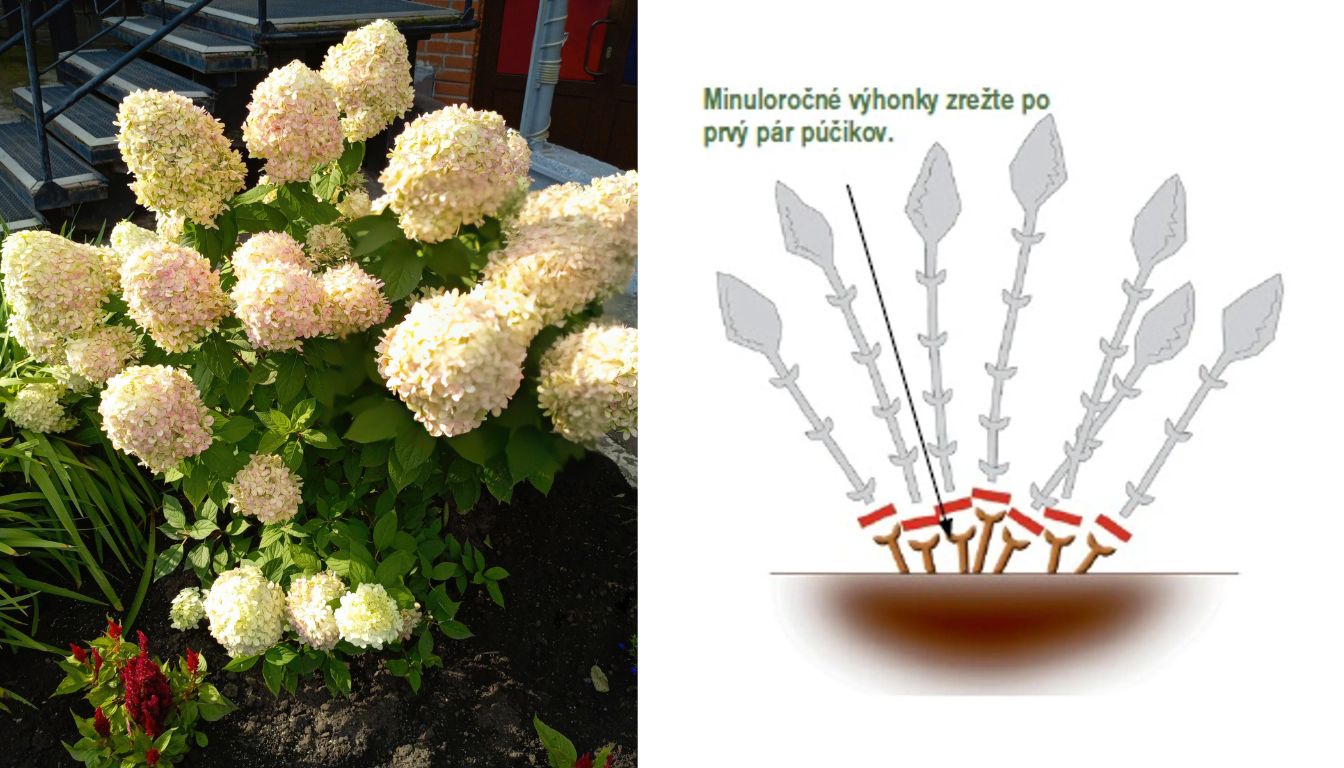
Pruning Panicle and Tree Hydrangeas
These types of hydrangeas bloom on new growth, so they can tolerate more severe pruning.
How to proceed:
- In the spring, shorten the shoots to 1–2 pairs of buds
- Remove old and damaged branches
- A deeper pruning will encourage larger flowers and strong shoots
- Some gardeners shorten the plant to just 20–60 cm above the ground to help it develop a strong framework.
How to Prune Perennials in a Flower Bed
Perennials are the foundation of a modern natural garden. Proper pruning encourages blooming and helps keep the flower bed neat.
Many perennials are left unpruned over winter because their dry stems provide shelter for insects and food for birds. They are pruned in the spring.
Pruning Echinacea (Echinacea)
Echinacea is an undemanding perennial that blooms all summer and attracts pollinators.
When to prune it
- most often in the spring before new growth begins
- alternatively, you can remove spent flowers during the season
How to prune it
- remove dry stems just above the ground
- during the summer, you can cut off spent flowers to encourage the plant to produce new ones
Pruning Rudbeckia (Rudbeckia)
Rudbeckia is a perennial that should be left in the garden bed even during winter.
Pruning instructions
- Remove dry stems in the spring about 5–10 cm above the ground
- You can remove spent flowers throughout the season
- This type of pruning encourages new shoots and denser growth.
Pruning catmint (Nepeta)
Nepeta is a very rewarding perennial that can bloom repeatedly.
How to prune it
- After the first bloom, cut it back about 5–10 cm above the ground
- This will encourage a second bloom
- Some types of perennials, including catmint and sage, can bloom again after this type of pruning.
Pruning Verbena (Verbena bonariensis)
Verbena is popular in natural and modern gardens.
Procedure
- Leave the dry stems in the bed over winter
- In the spring, cut them back just above the ground
- The plant often self-seeds, so new plants will appear in the bed.
Pruning Salvia (Salvia nemorosa)
Salvia is a perennial that responds very well to pruning.
How to prune it
- After the first bloom, cut the stems back by about half
- This will encourage repeat blooming
- In the spring, remove old, dry shoots
Practical tips for pruning plants
To ensure successful pruning, follow a few simple rules:
- Use sharp garden shears
- Cut above a healthy bud
- Always remove dry and damaged parts
- Never prune plants during severe frosts
Summary: When to prune plants in the garden
| Plant | When to prune |
|---|---|
| Rustic hydrangea spring | light pruning only |
| Panicle hydrangea spring | heavier pruning |
| Echinacea | spring |
| Rudbeckia | spring |
| Catmint | after the first bloom |
| Verbena | spring |
| Sage | after blooming + spring |
Final tip:
If you want your flower bed to look beautiful all year round, combine plants with different blooming seasons. Regular pruning and proper care will ensure that your garden blooms from spring through fall. If you’re unsure about pruning or want to design a new perennial bed, don’t hesitate to contact us.