


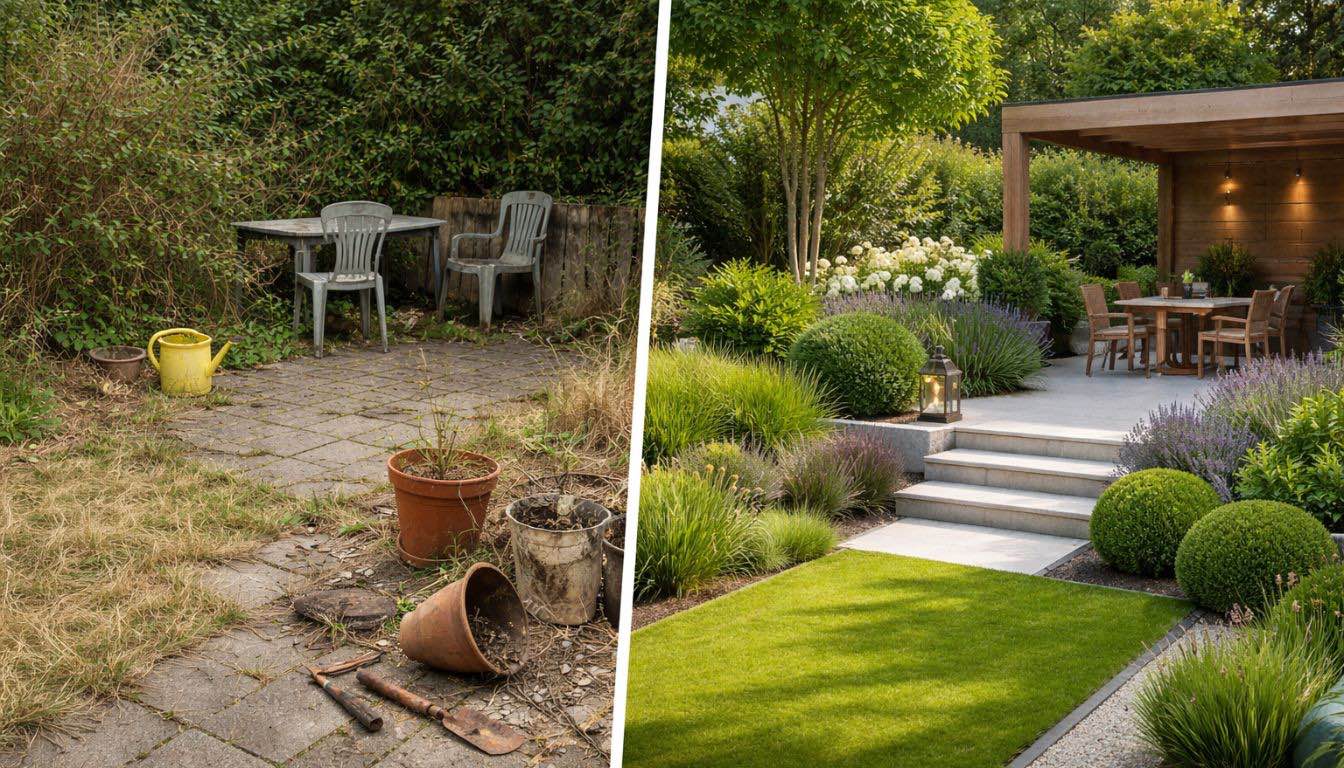
5 things that make a garden look cheap
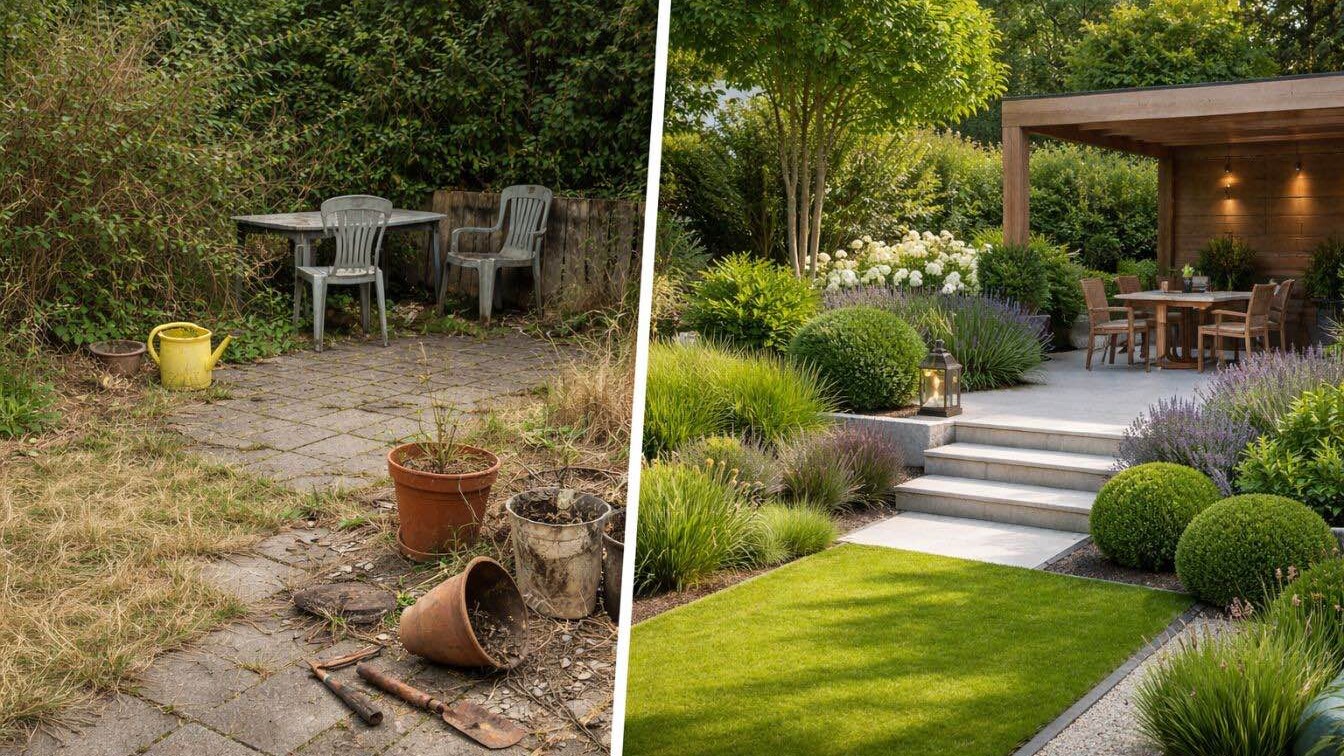
Tips and tricks
A cheap-looking garden? Not with Dream Garden. Read about the mistakes people often make when designing a garden.
If you want your garden to look harmonious and “more expensive,” simply planting flowers isn’t enough. What matters is the overall concept, the materials, and the way the space is designed.
Here are the 5 most common mistakes that make a garden look cheap—and how to avoid them.
Random planting without a plan
One of the most common mistakes is choosing plants one by one without an overall plan.
The result:
- the flower bed looks chaotic
- the plants don’t go well together
- the garden lacks character
How to do it right:
A garden should have a clear composition—a combination of heights, colors, and textures. Fewer species, but thoughtfully arranged, always look better than a “mix of everything.”
Materials that look cheap
Materials make a huge difference.
Common mistakes:
- low-quality tiles
- cheap plastic elements
- mismatched materials
How to do it right:
Choose materials that complement each other and look natural—wood, stone, high-quality tiles. You don’t need many, but they should be coordinated.
Too many elements in a small space
The common desire to “have everything there” leads to a cluttered space.
The result:
- the garden feels cramped
- nothing stands out
- there is a lack of tranquility
How to do it right:
Let the space breathe. Even empty space has its purpose. Fewer elements often mean a better result.
Neglected maintenance
Even the most beautiful design loses its value if you don’t take care of your garden.
What looks cheap:
- overgrown plants
- dry leaves
- untended flower beds
How to do it right:
Regular maintenance is key. Spring, in particular, determines how the garden will look throughout the season.
Lack of an overall design concept
A garden isn’t just about plants. It’s a living space.
Common mistakes:
- the garden isn’t practical
- there’s no connection to the house
- the space isn’t being utilized
How to do it right:
Think of the garden as a whole:
- where you’ll sit
- where the kids will play
- where there will be shade, privacy, and space to move around
So what makes a garden high-quality?
A garden isn’t high-quality because of its price, but because of careful planning.
- a clear concept
- coordinated materials
- a balanced layout
- regular maintenance
- functional design
Tip from Dream Garden
If you want your garden to look harmonious and thrive for years to come, a high-quality design from the start is key.
Do you want a garden that looks well-thought-out and natural?
We’d be happy to help you with both the design and implementation.
Contact us and we’ll take a personalized look at your space.




How to Prune Hydrangeas and Perennials: A Complete Guide to a Beautiful Garden

Tips and tricks
Proper pruning is one of the most important steps in garden care. It helps plants maintain a healthy shape, promotes flowering, and extends the life of your flower beds. If you know when and how to prune hydrangeas and perennials, your garden will reward you with abundant blooms and lush growth.
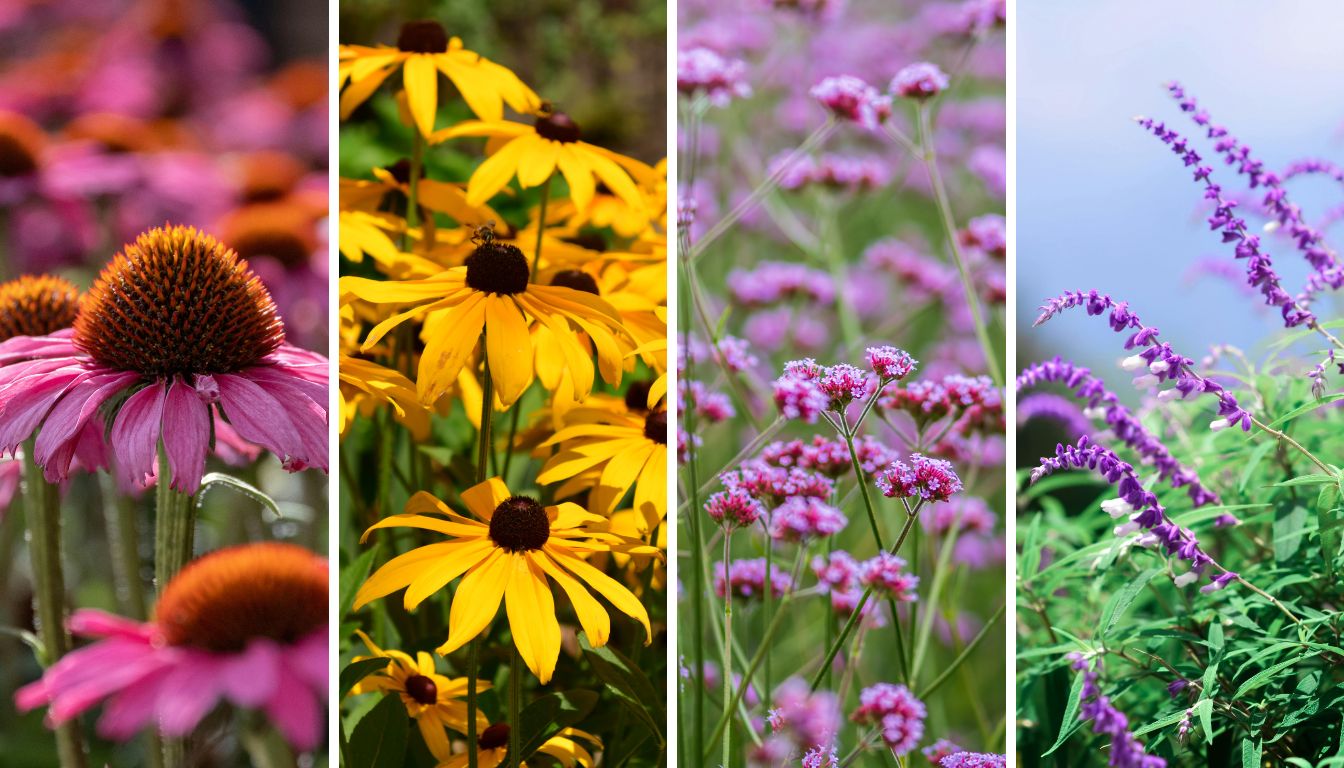
How to prune hydrangeas and perennials? In this article, we’ll look at practical tips for pruning hydrangeas and popular perennials such as echinacea, rudbeckia, catmint, verbena, and sage.
How to Prune Hydrangeas for Abundant Blooms
Hydrangeas are among the most popular ornamental shrubs. However, the proper way to prune them depends on the variety, as some bloom on old wood and others on new growth. Incorrect pruning can prevent the plant from blooming at all that year.
When to prune hydrangeas
Hydrangeas are most commonly pruned in late winter or early spring (February–March), before new growth begins.
This timing is particularly suitable for most hydrangea varieties grown in gardens.
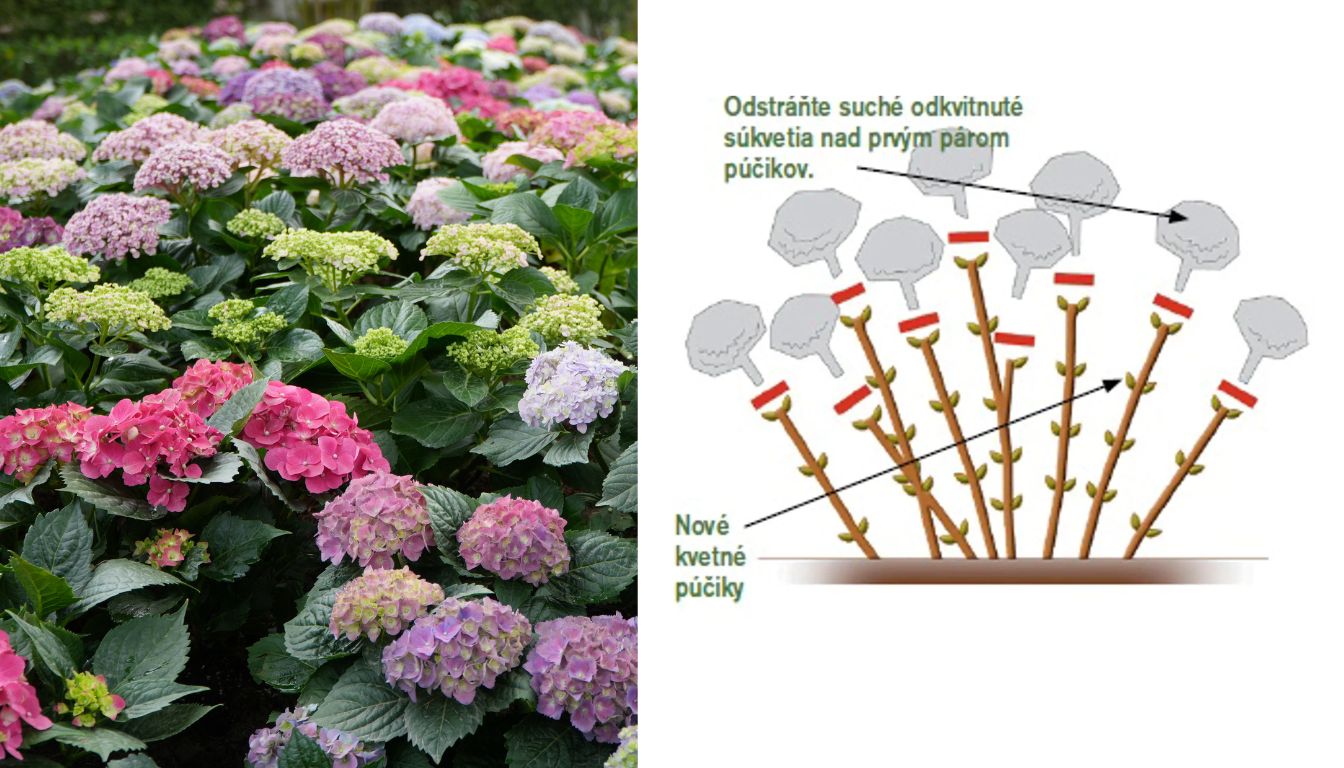
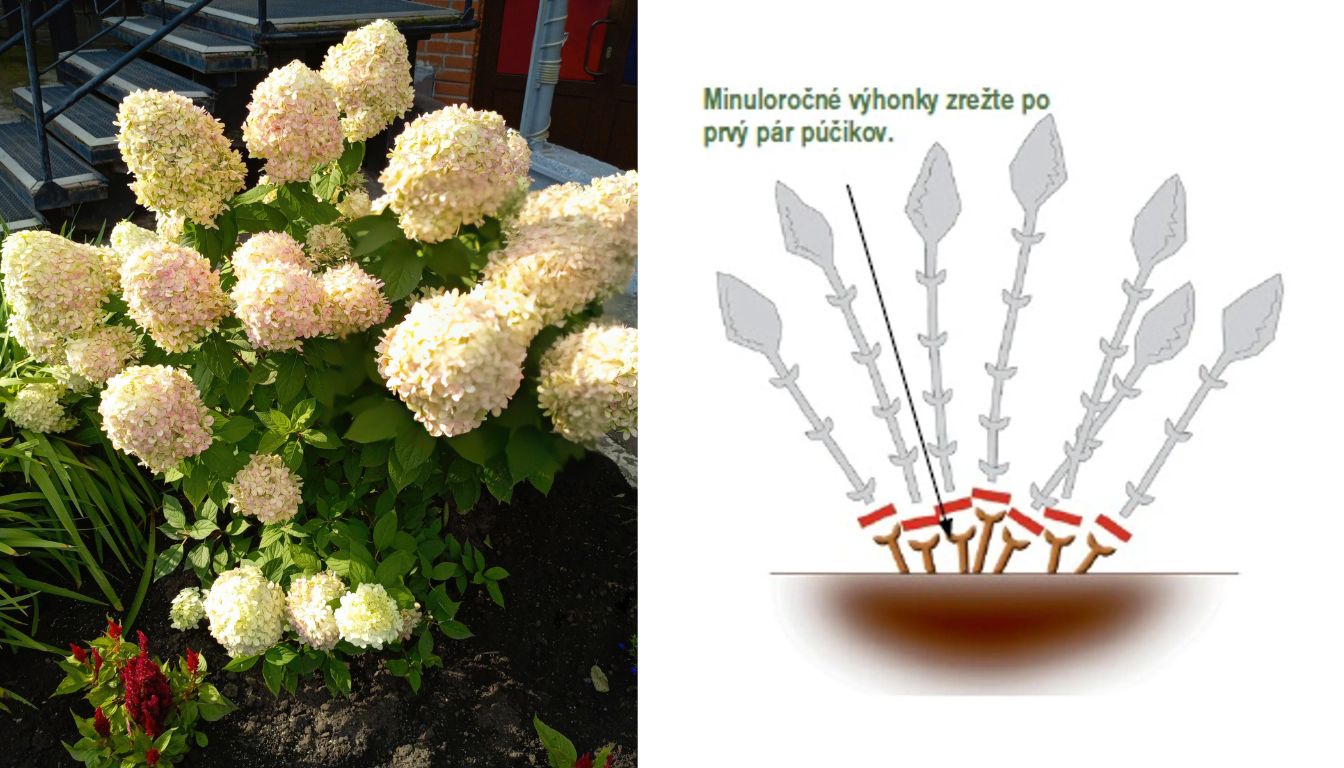
Pruning Hydrangea macrophylla
This type of hydrangea blooms on last year’s wood, so it only needs a light pruning.
Procedure:
- in the spring, remove dry flower heads above the first pair of buds
- remove damaged or weak shoots
- you can cut old branches back to the ground to encourage new growth
- If you prune this variety too deeply, the plant may not bloom that year.
Pruning Panicle and Tree Hydrangeas
These types of hydrangeas bloom on new growth, so they can tolerate more severe pruning.
How to proceed:
- In the spring, shorten the shoots to 1–2 pairs of buds
- Remove old and damaged branches
- A deeper pruning will encourage larger flowers and strong shoots
- Some gardeners shorten the plant to just 20–60 cm above the ground to help it develop a strong framework.
How to Prune Perennials in a Flower Bed
Perennials are the foundation of a modern natural garden. Proper pruning encourages blooming and helps keep the flower bed neat.
Many perennials are left unpruned over winter because their dry stems provide shelter for insects and food for birds. They are pruned in the spring.
Pruning Echinacea (Echinacea)
Echinacea is an undemanding perennial that blooms all summer and attracts pollinators.
When to prune it
- most often in the spring before new growth begins
- alternatively, you can remove spent flowers during the season
How to prune it
- remove dry stems just above the ground
- during the summer, you can cut off spent flowers to encourage the plant to produce new ones
Pruning Rudbeckia (Rudbeckia)
Rudbeckia is a perennial that should be left in the garden bed even during winter.
Pruning instructions
- Remove dry stems in the spring about 5–10 cm above the ground
- You can remove spent flowers throughout the season
- This type of pruning encourages new shoots and denser growth.
Pruning catmint (Nepeta)
Nepeta is a very rewarding perennial that can bloom repeatedly.
How to prune it
- After the first bloom, cut it back about 5–10 cm above the ground
- This will encourage a second bloom
- Some types of perennials, including catmint and sage, can bloom again after this type of pruning.
Pruning Verbena (Verbena bonariensis)
Verbena is popular in natural and modern gardens.
Procedure
- Leave the dry stems in the bed over winter
- In the spring, cut them back just above the ground
- The plant often self-seeds, so new plants will appear in the bed.
Pruning Salvia (Salvia nemorosa)
Salvia is a perennial that responds very well to pruning.
How to prune it
- After the first bloom, cut the stems back by about half
- This will encourage repeat blooming
- In the spring, remove old, dry shoots
Practical tips for pruning plants
To ensure successful pruning, follow a few simple rules:
- Use sharp garden shears
- Cut above a healthy bud
- Always remove dry and damaged parts
- Never prune plants during severe frosts
Summary: When to prune plants in the garden
| Plant | When to prune |
|---|---|
| Rustic hydrangea spring | light pruning only |
| Panicle hydrangea spring | heavier pruning |
| Echinacea | spring |
| Rudbeckia | spring |
| Catmint | after the first bloom |
| Verbena | spring |
| Sage | after blooming + spring |
Final tip:
If you want your flower bed to look beautiful all year round, combine plants with different blooming seasons. Regular pruning and proper care will ensure that your garden blooms from spring through fall. If you’re unsure about pruning or want to design a new perennial bed, don’t hesitate to contact us.

How to involve children in gardening – learning through play and enjoying the results

Tips and tricks
If you want to transform your exterior into the garden of your dreams, don’t forget to involve even the youngest members of your family in the process. How to involve children in gardening? Gardening is a great way to spend time together, teach children new skills, and encourage their relationship with nature. When designing a turnkey garden, we recommend leaving space in the project where children can express their creativity.
Why working in the garden with children is special
How to involve children in gardening? Working together in the garden develops the senses, teaches patience, promotes healthy exercise, and creates unforgettable experiences. Children perceive garden design and its elements through discovery, experimentation, and observation of change—whether it’s growing plants, watering the lawn, creating decorative stepping stones, or regular garden maintenance.
7 tips and activities for getting kids involved in a playful way
- Set aside a separate flower bed: Give children a piece of the garden to experiment with, for example, planting fast-growing herbs or flowering plants.
- Plant Mediterranean plants: Explain to them how overwintering and caring for exotic species works.
- Involve them in watering: Children love working with water, whether it’s caring for the lawn or watering plants.
- Raking hay, leaves, or grass: Combine outdoor exercise with practical tasks that are both fun and beneficial.
- Tasting the harvest: Gardening is not just work, but also the joy of seeing results – fresh fruit or vegetables will delight every little helper.
- Creating decorative elements: Painting stones, making a mini garden, or building wooden steps for a garden house.
- Keeping a garden diary: You will encourage curiosity and creativity and practice writing, drawing, and photographing your own projects.

Learning through play and enjoying the results
Inspire your children with simple little projects that will give them quick results – whether it’s flowering plants, a carpet of grass, or their own mini vegetable garden. Through play, you can teach them the principles of garden design and how all the elements of a garden are connected. If you don’t feel confident about creating a complete garden, consult a professional. Also, don’t forget about regular maintenance and innovations, which can be a motivating experience for children.
When planning and building your dream family garden, keep in mind that the time spent working together with your children is the best investment in the future. With Dream Garden, you can create a space for learning, fun, and beautiful experiences for the whole family.

How to overwinter Mediterranean plants and prepare them for the next season

Tips and tricks
Mediterranean plants bring a holiday atmosphere to our gardens – the scent of the sea, sun, and south. How to overwinter Mediterranean plants? Olive trees, oleanders, lavender, and citrus trees have become an integral part of modern garden design. But while they survive the winter without any problems in the Mediterranean, they need special care here to wake up to their beauty again in the spring.
Why overwintering is important
If you dream of having your own dream garden full of exotic greenery, winter care is key. How to overwinter Mediterranean plants? Mediterranean plants such as oleander, olive trees, citrus fruits, rosemary, and lavender come from warm regions, so they do not tolerate prolonged frosts well. Proper winterization is essential if you want to use them in your garden in our region.
The right conditions for overwintering
- Light and heat: Plants such as oleander and citrus trees require a bright location with a temperature between 5 and 12 °C. Ideally, they should be moved to a winter garden, garage, or basement with a window.
- Watering: Water plants only lightly during winter – the soil should remain slightly moist, not soggy.
- Protection from frost: If the plants are planted in a flower bed, cover them with gardening fabric, straw mats, or a layer of leaves.
- Citrus and olive trees in pots: Bring them indoors before the first frost. In cold areas, it is advisable to grow them in mobile containers that can be easily moved.
Ideal species for a turnkey garden
If you are planning a turnkey garden, Mediterranean plants can transform your outdoor space beyond recognition. Recommended species for Slovak conditions are:
- European olive tree (Olea europaea) – a symbol of the south, suitable for growing in pots.
- Oleander (Nerium oleander) – blooms all summer, but cannot tolerate frost.
- Rosemary (Rosmarinus officinalis) and lavender (Lavandula angustifolia) – more resistant species that can be grown even in soil with minimal protection.
- Lemon tree (Citrus limon) – a popular decorative tree that can bear fruit indoors during the winter.

Stredomorská atmosféra aj počas zimy
Súčasťou profesionálneho záhradného dizajnu je aj plán starostlivosti o rastliny počas celého roka. V Dream Garden pri tvorbe každej záhrady snov kladieme dôraz nielen na krásu, ale aj na funkčnosť a trvácnosť. Pomáhame klientom s údržbou a zazimovaním rastlín tak, aby ich exteriér žil naplno počas každej sezóny.
Pripravíme aj vašu záhradu na zimu
Ak máte v záhrade stredomorské rastliny a nie ste si istí, ako im pomôcť prečkať zimu, obráťte sa na nás. Radi navrhneme riešenie pre ich ochranu alebo sa postaráme o kompletnú realizáciu záhrady na kľúč, ktorá bude krásna a praktická po celý rok.

How to prepare your garden in autumn: what to do now so that it comes to life in all its glory in spring

Tips and tricks
Autumn is the time when the garden slowly settles down for a rest. How to prepare your garden for autumn? This is the time to take steps to ensure that your dream garden awakens in full force and beauty in the spring. If you want to have a minimum of work and maximum enjoyment in the spring, it is worth preparing the soil, plants, and lawn now.
Lawn care
The lawn is the calling card of every garden. In autumn, treat it to:
- scarification or aeration,
- fertilization with potassium-rich autumn fertilizer,
- thorough raking of leaves, which could otherwise cause mold growth.
If you are planning to create or modernize your garden, autumn is the ideal time to prepare the ground, install irrigation, or lay a lawn.
Caring for perennials and ornamental plants
Not all perennials are pruned in autumn. Proper care will help them survive the winter and promote growth in the spring.
Perennials that are suitable for pruning:
- peonies,
- delphiniums,
- phloxes,
- hostas,
- lilies.
Perennials that should not be pruned:
- ornamental grasses (e.g., pampas grass, fescue),
- lavender,
- echinacea,
- rudbeckia,
- sedum.
Leave these over the winter—their above-ground parts will protect the roots and also beautify the garden.
Harvesting and caring for fruit trees
If you have fruit trees, don’t forget to harvest the last of the crop and then remove any remaining fruit from the trees and the ground to prevent the spread of disease. It is also a good idea to spray preventively against pests.

Planting bulbs
Autumn is the time to plant spring bulbs – tulips, daffodils, and crocuses. In spring, they will reward you with an explosion of color.
Turnkey garden preparation
If you dream of opening your door in spring to find a ready-made turnkey garden waiting for you, autumn is the right time to start planning and implementing your project. Our company, Dream Garden, will help you with the complete implementation of your garden – from design and planting to the finishing touches.
Autumn garden care is an investment in the future. Every step you take now will be rewarded in spring with healthy plants, a lush lawn, and beautiful flowers.
If you want your garden to tell your story in the spring and bring you joy, we will be happy to help you – from consultation to complete implementation.